EN

What Is Cold Chain Packaging? A Complete Guide to Temperature-Controlled Shipping

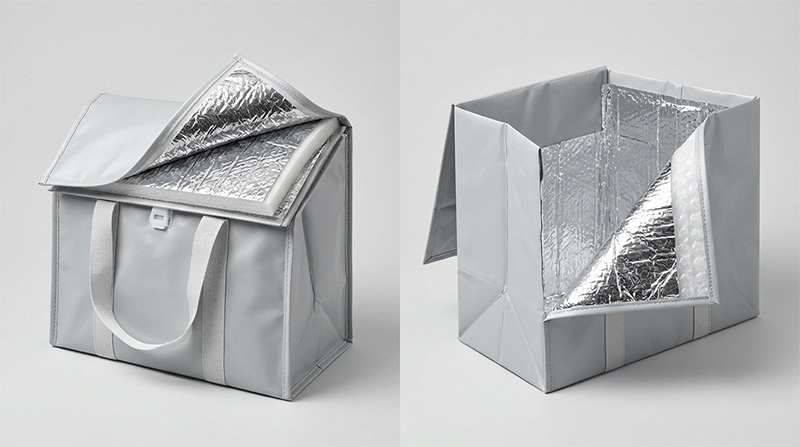
Introduction Cold chain packaging is designed to protect temperature-sensitive products during transportation and storage. Whether shipping fresh food, seafood, pharmaceuticals, vaccines, or medical samples, maintaining a stable temperature is critical for product quality, safety, and regulatory compliance. Unlike conventional packaging, cold chain packaging uses thermal insulation materials and temperature-control systems to reduce heat transfer and maintain the required temperature range throughout transit. This guide explains how cold chain packaging works, the most common packaging formats, and how to choose the right solution for your products.   What Is Cold Chain Packaging? Cold chain packaging refers to packaging systems specifically designed to maintain a controlled temperature range during transportation and storage.   These systems help protect products from external temperature fluctuations that can occur during: • Warehousing • Loading and unloading • Long-distance transportation • Last-mile delivery   Cold chain packaging is commonly used for: • Fresh food and meal kits • Seafood and frozen products • Dairy products • Pharmaceuticals and vaccines • Medical samples and diagnostics   The goal is simple: Maintain product integrity from origin to destination.   Why Is Cold Chain Packaging Important? Temperature-sensitive products can quickly lose quality when exposed to temperatures outside their acceptable range.   For example: • Fresh seafood may spoil during transit. • Frozen foods may partially thaw. • Pharmaceutical products may lose efficacy. • Medical samples may become unusable.   Effective cold chain packaging helps businesses: ✔ Maintain product quality ✔ Reduce spoilage and product loss ✔ Extend delivery reach ✔ Meet food safety and pharmaceutical regulations ✔ Improve customer satisfaction   How Does Cold Chain Packaging Work? Cold chain packaging works by slowing heat transfer between the external environment and the packaged product.   A typical system includes: • Thermal Insulation:Reduces heat transfer through the package walls. • Reflective Layers:Reflect radiant heat away from the package. • Secure Packaging Structure:Minimizes air leakage and protects products during transportation. The combination of these elements helps maintain stable temperatures throughout transit.   Common Types of Cold Chain Packaging Thermal Insulated Bags: Thermal bags are one of the most widely used cold chain packaging solutions for direct-to-consumer delivery and temperature-sensitive shipments.   They typically combine: • Reflective foil film • EPE or PU foam insulation • Leak-resistant zipper closure • Self-seal adhesive strip   Typical Applications: • Meal kit delivery • Grocery fulfillment • Frozen food delivery • Medical sample transportation • Specialty food shipping   Key Benefits: • Lightweight construction • Excellent thermal performance • Lower shipping costs compared with rigid coolers • Easy storage and handling Thermal bags are particularly effective for last-mile delivery where portability and cost efficiency are important.   Insulated Box Liners Insulated box liners are designed to convert standard corrugated cartons into temperature-controlled shipping containers. They provide an efficient solution for businesses that require thermal protection without the storage and shipping costs associated with EPS foam boxes.   Common Structures: • Aluminum foil + bubble insulation • Aluminum foil + EPE foam insulation   Typical Applications: • Seafood transportation • Dairy products • Fresh produce • Meal kits • Pharmaceutical shipments   Key Benefits • Foldable and space-saving • Lightweight • Easy to integrate into existing packing operations • Suitable for both chilled and frozen shipments Many food and pharmaceutical companies use insulated box liners to improve shipping efficiency while maintaining product temperature.   How to Choose the Right Cold Chain Packaging When selecting a cold chain packaging solution, consider: Product Type • Fresh food • Frozen food • Seafood • Pharmaceuticals • Medical products   Required Temperature Range Chilled (2–8°C)、Frozen (-18°C)、Deep frozen Transit Duration:Same-day delivery、24 hours、48 hours、72 hours or longer Shipping Method:Courier delivery、Air freight、Ground transportation The most effective solution is the one engineered around your specific logistics conditions and temperature requirements.   Industries That Use Cold Chain Packaging Food & Beverage、Meal kits、Seafood、Dairy products、Frozen foods、Pharmaceutical & Healthcare、Vaccines、Biologics、Medical samples、Diagnostic kits、E-Commerce Grocery delivery、Specialty food brands、Direct-to-consumer cold chain shipments As demand for temperature-sensitive delivery continues to grow, cold chain packaging has become an essential part of modern supply chains.   Conclusion Cold chain packaging helps protect temperature-sensitive products throughout transportation by reducing heat transfer and maintaining stable temperatures. For most food, seafood, and pharmaceutical shipments, thermal insulated bags and insulated box liners provide practical, scalable, and cost-effective temperature-control solutions. Choosing the right packaging structure can improve product quality, reduce spoilage, and support reliable cold chain operations.   Need a Custom Cold Chain Packaging Solution? We manufacture: ✔ Thermal Insulated Bags ✔ Insulated Box Liners ✔ Custom Cold Chain Packaging Solutions   Whether you’re shipping seafood, meal kits, pharmaceuticals, or temperature-sensitive products, our team can recommend a packaging structure based on your transit time, temperature requirements, and distribution model. Request a Sample Get a Custom Quote Talk to Our Packaging Engineers
Learn More
Poly Mailer vs. Bubble Mailer: Which Is Right for Your E-Commerce Business?

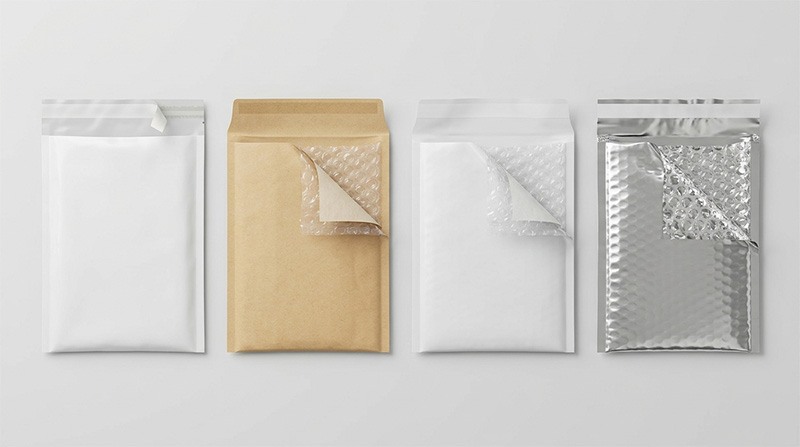
Choosing the wrong mailer can increase shipping costs, damage your products, and hurt your brand. This guide breaks down the differences so you can make the right call. Every e-commerce business faces the same packaging decision: poly mailer or bubble mailer? The choice seems simple — one is thin and light, the other has a cushioned lining. But the real difference goes far beyond thickness. It touches your shipping costs, your fulfillment speed, your product protection, and the unboxing experience you deliver to customers. As a packaging manufacturer working with global brands, we’ve seen businesses save thousands by switching to the right format — and lose money when they don’t match the mailer to the product. Here’s a practical, no-fluff comparison to help you decide.   What Is a Poly Mailer? A poly mailer is a lightweight, flexible shipping bag made from multi-layer polyethylene or polypropylene films. It’s waterproof, tear-resistant, and designed to collapse around soft goods, reducing dimensional weight. Modern high-performance poly mailers — like the ones we produce — are not thin plastic bags. They are engineered with multi-layer co-extruded films that resist punctures, moisture, and stretching during high-speed automated packing. Best for: apparel, textiles, shoes, accessories, soft home goods, books, and any product that doesn’t need rigid protection.   What Is a Bubble Mailer? What Is a Bubble Mailer? The Three Common Types A bubble mailer adds a layer of air-filled cushioning bonded to an outer shell. Depending on the shell material, bubble mailers fall into three common types, each with distinct characteristics:   Kraft Bubble Mailers • Outer shell: Brown kraft paper. Lining: Bubble film. • Naturally tear-resistant and has a classic, eco-friendly look. • Heavier than poly-based options and not fully waterproof (moisture-resistant only). • Printability limited to simple logos or text. • Best for: small electronics, books, cosmetics, or brands prioritizing a paper-based unboxing feel.   Poly Bubble Mailers Outer shell: Polyethylene or polypropylene film. Lining: Bubble film. • Lightweight, fully waterproof, and compatible with high-quality flexo or gravure printing for full-color branding. • Excellent tear and puncture resistance. • Best for: most lightweight fragile items where full water protection and vibrant print are required (e.g., jewelry, accessories, cosmetics in wet climates).   Metallic (Foil) Bubble Mailers Outer shell: Metallized PET film (foil-look) laminated to a bubble lining. • High thermal reflectivity — helps buffer products against short-term temperature spikes. • Superior light and moisture barrier. • Premium metallic finish enhances perceived product value. • Often used in cold chain or heat-sensitive shipments as a supplementary layer. • Best for: chocolates, skincare serums, temperature-sensitive electronics, or any product benefiting from light/temperature protection and a premium metallic look.   When to Choose a Poly Mailer Go with a poly mailer if: • Your products are soft, flexible, or self-cushioning (clothing, towels, soft toys). • You ship high volumes and want to minimize per-package weight and shipping costs. • Your fulfillment center uses automated packing systems — poly mailers move through equipment faster. • You want full-color, high-impact printing for branding.   Real-world example: A DTC apparel brand switched from kraft bubble mailers to lightweight custom-printed poly mailers and reduced package weight by over 50% — saving an average of $0.12–$0.18 per package in USPS/FedEx last-mile delivery costs, which scaled to $24,000 annual savings on 200,000 shipments.   When to Choose a Bubble Mailer Choose a bubble mailer if: • Your product has rigid corners, delicate surfaces, or small fragile components (e.g., a lipstick palette, a USB drive in a box, or a glass bottle). • You need light but reliable cushioning without the bulk of a box. • You can accept slightly higher packaging costs in exchange for reduced damage rates. • Your product can still be shipped as a flat or packet, not a parcel.   Pro tip: If you ship a mix of soft and semi-fragile items, you don’t have to standardize on one. Smart shippers use poly mailers for most items and a small inventory of bubble mailers for specific SKUs. Your packaging supplier should offer both.   What About the New Generation of Hybrid Solutions? The industry is moving toward high-performance poly mailers that partly close the protection gap. For instance, our multi-layer poly mailers now include a puncture-resistant middle layer that stops sharp edges from tearing through — making them suitable for some semi-fragile goods like boxed cosmetics or bagged snacks without needing bubble cushioning. When combined with a lightweight inner wrap or tissue, they can replace bubble mailers in many cases. For brands that need maximum shipping efficiency and still want a premium unboxing feel, this is a conversation worth having with your packaging engineer.   Both Need to Pass the ISTA 3A Test Regardless of which format you choose, your mailer should be certified to withstand the rigors of parcel shipping. ISTA 3A testing simulates drops, vibration, and compression that packages encounter in courier networks. Always ask your manufacturer for test reports. We pre-validate our both poly and bubble mailers under ISTA 3A protocols, so you can ship with confidence — whether it’s a T-shirt crossing a continent or a delicate serum bottle heading to a customer’s doorstep.   The Bottom Line • Ship soft goods at scale? → Poly mailers save money and speed up packing. • Ship breakable items under 1 kg? → Bubble mailers prevent damage claims. • Not sure? → Test both formats with your top 3 SKUs. The data will make the decision for you.   Need help choosing the right mailer? Get in touch with our team. We’ll review your product range, fulfillment setup, and cost structure to recommend the best packaging system — and send you samples of both poly and bubble mailers to test in your own operation.   Request a Sample or Get a Quote and take the guesswork out of your shipping packaging.
Learn More

What is Laminated Flexible Packaging? Materials, Structure & Applications Explained

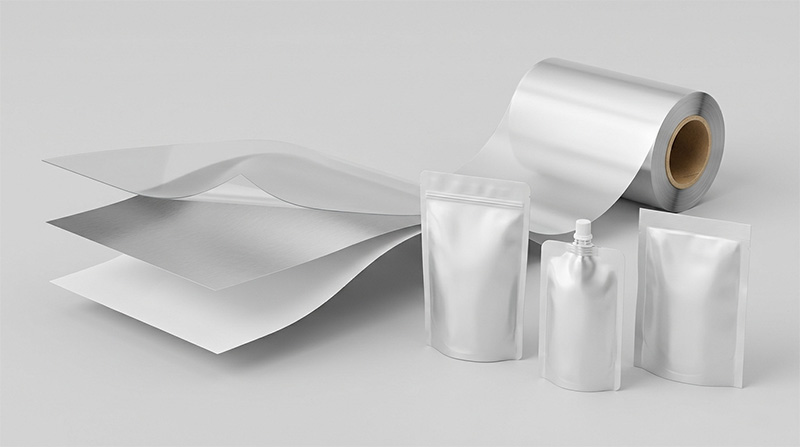
Introduction Laminated flexible packaging is one of the most widely used packaging formats in the global food, beverage, and consumer goods industries. It is designed to combine multiple material layers into a single packaging structure, delivering enhanced barrier protection, durability, and print performance. As global supply chains become more demanding, brands increasingly rely on laminated structures to extend shelf life, improve product safety, and enhance shelf visibility in competitive retail environments. In this article, we explain what laminated flexible packaging is, how it is structured, what materials are used, and how to choose the right solution for your product.   What is Laminated Flexible Packaging? Laminated flexible packaging refers to a multi-layer packaging structure created by bonding two or more film materials together using adhesive or extrusion lamination processes. Each layer serves a specific function: • Barrier protection (oxygen, moisture, light) • Mechanical strength (puncture and tear resistance) • Sealability (heat sealing performance) • Print surface (branding and visual communication) • Unlike single-layer plastic packaging, laminated structures are engineered systems designed to meet specific product and logistics requirements.   How Laminated Packaging Structure Works? A typical laminated flexible packaging structure is composed of: • Outer layer (PET or BOPP):Provides printability, gloss or matte finish, and mechanical strength • Barrier layer (AL or EVOH):Controls oxygen and moisture transmission • Inner sealing layer (PE or CPP):Ensures heat sealability and product contact safety By combining these layers, packaging can be customized for different performance levels depending on product sensitivity and shelf-life requirements.   Common Laminated Materials and Their Functions • PET (Polyethylene Terephthalate):Provides strength, clarity, and excellent print surface for branding. • BOPP (Biaxially Oriented Polypropylene):Used for cost-effective printing and moisture resistance. • Aluminum Foil (AL):Delivers maximum barrier protection against oxygen, light, and moisture. • EVOH (Ethylene Vinyl Alcohol):High-performance transparent barrier layer used in premium food packaging. • PE / CPP (Polyethylene / Cast Polypropylene):Provides sealing performance and direct food contact safety.   Performance Indicators: Why Barrier Matters? Barrier performance is a key factor in laminated packaging design.   For example: • High barrier structures using PET/AL/PE can achieve extremely low oxygen and moisture transmission rates, extending shelf life for sensitive products such as coffee, snacks, and dairy powders. • Transparent barrier structures using EVOH allow product visibility while still maintaining controlled oxygen protection. These performance differences directly affect product freshness, shelf stability, and brand perception in retail environments.   Applications of Laminated Flexible Packaging Laminated flexible packaging is widely used across multiple industries: • Food Packaging • Snacks, coffee, frozen food, dried goods • Extended shelf-life protection and aroma retention • Beverage & Powder Products • Protein powders, drink mixes, supplements • Moisture control and easy dispensing formats • Pet Food Packaging • High-barrier pouches for freshness preservation • Strong puncture resistance for bulk packaging • Health & Nutrition Products • Vitamins, herbal supplements, functional foods Regulatory compliance and premium branding   Laminated Packaging Formats Common formats include: • Stand-up pouches (zipper / non-zipper) • Flat bottom bags • Three-side seal bags • Spout pouches • Roll stock film for automatic filling systems Each format is selected based on filling method, retail display requirements, and logistics efficiency.   How to Choose the Right Laminated Packaging? When selecting laminated flexible packaging, consider the following factors: • Product sensitivity to oxygen, moisture, and light • Required shelf life • Filling and sealing process • Transportation and storage conditions • Branding and shelf visibility requirements Choosing the wrong structure can result in product degradation, sealing failure, or unnecessary cost increases.   Conclusion Laminated flexible packaging is not just a packaging format — it is a performance-driven engineering system that directly impacts product quality, shelf life, and brand success. Understanding material structures and barrier properties is essential when selecting the right packaging solution for your product.   Need Custom Laminated Packaging? We specialize in OEM & ODM laminated flexible packaging manufacturing for global brands across food, beverage, and pet care industries.   Request a sample to evaluate structure, sealing, and print quality Get a quote for your custom packaging project Talk to our engineering team for technical support
Learn More

New Production Capacity Expansion Supports Growing Global Packaging Demand

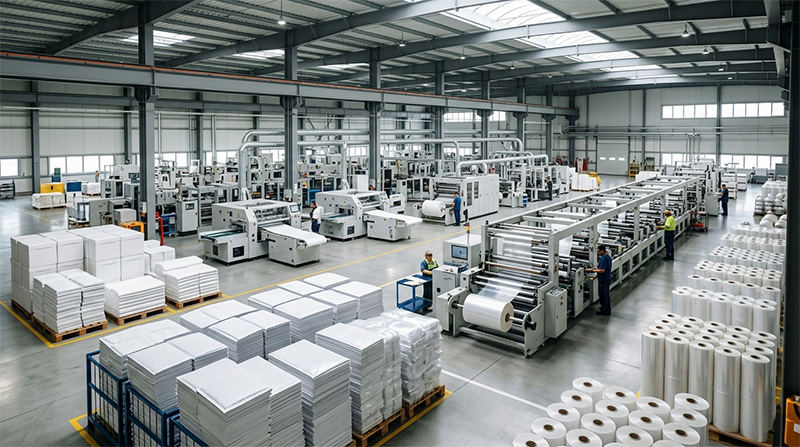
As global demand for flexible packaging, logistics mailers, and thermal insulation products continues to grow, we are pleased to announce the successful expansion of our manufacturing capacity to better support customers across food packaging, e-commerce logistics, and temperature-controlled transportation industries.   The latest upgrade strengthens our ability to provide stable lead times, consistent product quality, and scalable production support for both OEM and ODM packaging projects.   Responding to Increasing Demand for Custom Packaging In recent years, brands and distributors have faced increasing challenges related to supply chain stability, production scheduling, and inventory management.   Many customers are looking for packaging suppliers that can provide: • Consistent manufacturing capacity • Reliable lead times • Flexible production scheduling • Long-term supply chain support To meet these requirements, we have continued investing in equipment, production workflows, and quality control systems across our manufacturing facilities.   Expanded Manufacturing Resources Our production operations now cover more than 35,000 square meters of manufacturing space, supporting multiple product categories under one integrated production system.   Current production capabilities include: Laminated Flexible Packaging • Stand-up pouches • Flat bottom bags • Spout pouches • Roll stock film • Custom laminated packaging   Express & Logistics Packaging • Poly mailers • Bubble mailers • Courier bags • Tamper-evident packaging   Thermal Insulation Products • Reflective insulation materials • Thermal insulated bags • Insulated box liners • Thermal pallet covers This integrated manufacturing structure allows customers to source multiple packaging categories through a single supplier while maintaining consistent quality standards.   Strengthening Quality Assurance Capacity growth is only valuable when product quality remains consistent.   To support increasing production volumes, we continue to operate under established quality management procedures covering: • Incoming material inspection • In-process production monitoring • Finished goods inspection • Packaging and shipment verification   Our manufacturing operations are supported by internationally recognized certifications, including: • FSC • RoHS • SEDEX • BRCGS These systems help ensure products meet customer requirements and export market expectations.   Supporting Customers in More Than 30 Countries Today, our packaging products are supplied to customers across North America, Europe, Oceania, Southeast Asia, and other international markets.   We support a variety of trade terms, including: • EXW • FOB • CIF • DDP Whether customers work with their own freight forwarders or require logistics coordination support, our team works to ensure smooth documentation and on-time delivery.   Looking Ahead As packaging requirements continue to evolve, we remain focused on helping customers improve packaging performance, streamline procurement, and build more resilient supply chains.   Future investments will continue to focus on: • Manufacturing efficiency • Product innovation • Sustainable packaging development • Supply chain reliability   Our goal remains simple: provide packaging solutions that help customers grow with confidence.   About Us We are a custom packaging manufacturer specializing in: • Laminated Flexible Packaging • Express & Logistics Packaging • Thermal Insulation Solutions   Through OEM and ODM manufacturing services, we support global brands with customized packaging products, scalable production capacity, and reliable international supply chain solutions. Request a Sample Get a Quote Contact Our Team
Learn More
Products
Contacts
WhatsApp
Email