What Is Cold Chain Packaging? A Complete Guide to Temperature-Controlled Shipping
Introduction
Cold chain packaging is designed to protect temperature-sensitive products during transportation and storage. Whether shipping fresh food, seafood, pharmaceuticals, vaccines, or medical samples, maintaining a stable temperature is critical for product quality, safety, and regulatory compliance.
Unlike conventional packaging, cold chain packaging uses thermal insulation materials and temperature-control systems to reduce heat transfer and maintain the required temperature range throughout transit.
This guide explains how cold chain packaging works, the most common packaging formats, and how to choose the right solution for your products.
What Is Cold Chain Packaging?
Cold chain packaging refers to packaging systems specifically designed to maintain a controlled temperature range during transportation and storage.
These systems help protect products from external temperature fluctuations that can occur during:
• Warehousing
• Loading and unloading
• Long-distance transportation
• Last-mile delivery
Cold chain packaging is commonly used for:
• Fresh food and meal kits
• Seafood and frozen products
• Dairy products
• Pharmaceuticals and vaccines
• Medical samples and diagnostics
The goal is simple:
Maintain product integrity from origin to destination.
Why Is Cold Chain Packaging Important?
Temperature-sensitive products can quickly lose quality when exposed to temperatures outside their acceptable range.
For example:
• Fresh seafood may spoil during transit.
• Frozen foods may partially thaw.
• Pharmaceutical products may lose efficacy.
• Medical samples may become unusable.
Effective cold chain packaging helps businesses:
✔ Maintain product quality
✔ Reduce spoilage and product loss
✔ Extend delivery reach
✔ Meet food safety and pharmaceutical regulations
✔ Improve customer satisfaction
How Does Cold Chain Packaging Work?
Cold chain packaging works by slowing heat transfer between the external environment and the packaged product.
A typical system includes:
• Thermal Insulation:Reduces heat transfer through the package walls.
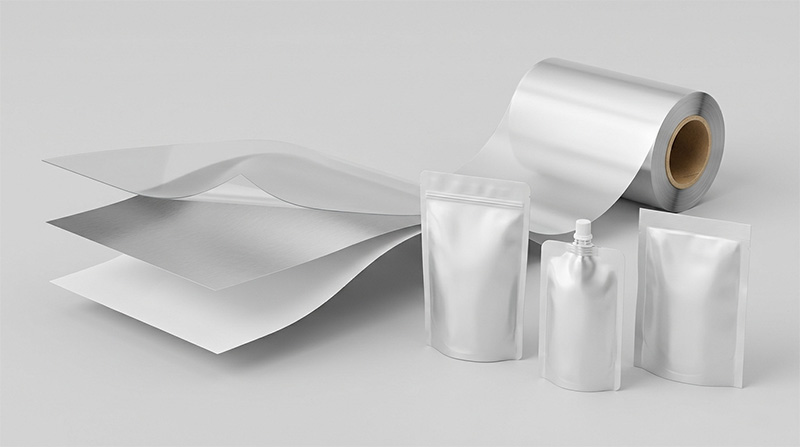
• Reflective Layers:Reflect radiant heat away from the package.
• Secure Packaging Structure:Minimizes air leakage and protects products during transportation.
The combination of these elements helps maintain stable temperatures throughout transit.
Common Types of Cold Chain Packaging
Thermal Insulated Bags:
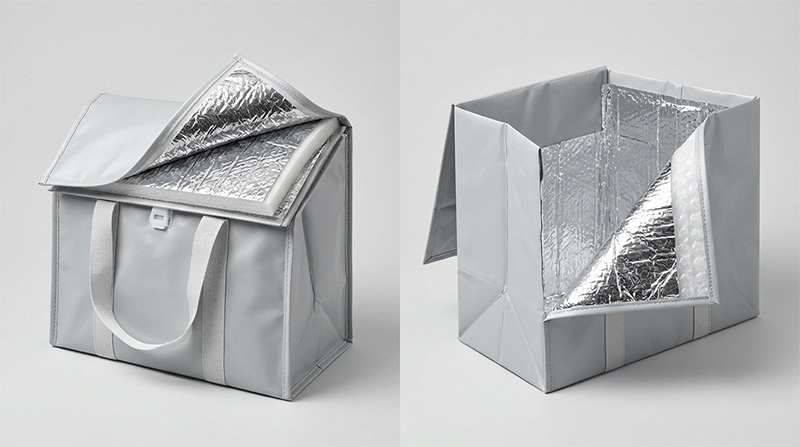
Thermal bags are one of the most widely used cold chain packaging solutions for direct-to-consumer delivery and temperature-sensitive shipments.
They typically combine:
• Reflective foil film
• EPE or PU foam insulation
• Leak-resistant zipper closure
• Self-seal adhesive strip
Typical Applications:
• Meal kit delivery
• Grocery fulfillment
• Frozen food delivery
• Medical sample transportation
• Specialty food shipping
Key Benefits:
• Lightweight construction
• Excellent thermal performance
• Lower shipping costs compared with rigid coolers
• Easy storage and handling
Thermal bags are particularly effective for last-mile delivery where portability and cost efficiency are important.
Insulated Box Liners
Insulated box liners are designed to convert standard corrugated cartons into temperature-controlled shipping containers.
They provide an efficient solution for businesses that require thermal protection without the storage and shipping costs associated with EPS foam boxes.
Common Structures:
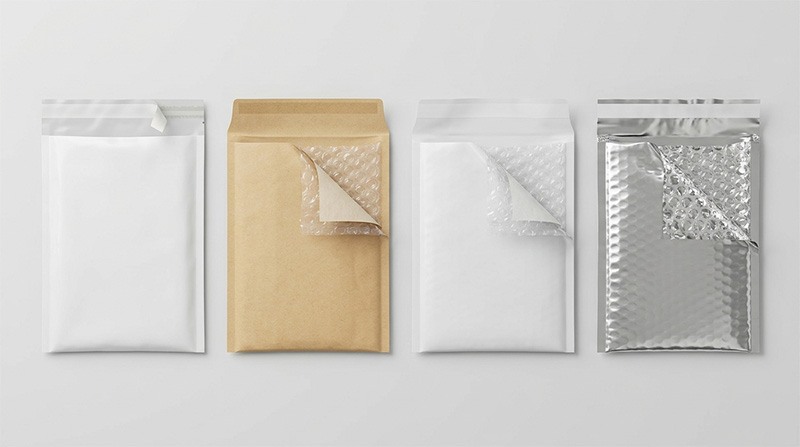
• Aluminum foil + bubble insulation
• Aluminum foil + EPE foam insulation
Typical Applications:
• Seafood transportation
• Dairy products
• Fresh produce
• Meal kits
• Pharmaceutical shipments
Key Benefits
• Foldable and space-saving
• Lightweight
• Easy to integrate into existing packing operations
• Suitable for both chilled and frozen shipments
Many food and pharmaceutical companies use insulated box liners to improve shipping efficiency while maintaining product temperature.
How to Choose the Right Cold Chain Packaging
When selecting a cold chain packaging solution, consider:
Product Type
• Fresh food
• Frozen food
• Seafood
• Pharmaceuticals
• Medical products
Required Temperature Range
Chilled (2–8°C)、Frozen (-18°C)、Deep frozen
Transit Duration:Same-day delivery、24 hours、48 hours、72 hours or longer
Shipping Method:Courier delivery、Air freight、Ground transportation
The most effective solution is the one engineered around your specific logistics conditions and temperature requirements.
Industries That Use Cold Chain Packaging
Food & Beverage、Meal kits、Seafood、Dairy products、Frozen foods、Pharmaceutical & Healthcare、Vaccines、Biologics、Medical samples、Diagnostic kits、E-Commerce
Grocery delivery、Specialty food brands、Direct-to-consumer cold chain shipments
As demand for temperature-sensitive delivery continues to grow, cold chain packaging has become an essential part of modern supply chains.
Conclusion
Cold chain packaging helps protect temperature-sensitive products throughout transportation by reducing heat transfer and maintaining stable temperatures.
For most food, seafood, and pharmaceutical shipments, thermal insulated bags and insulated box liners provide practical, scalable, and cost-effective temperature-control solutions.
Choosing the right packaging structure can improve product quality, reduce spoilage, and support reliable cold chain operations.
Need a Custom Cold Chain Packaging Solution?
We manufacture:
✔ Thermal Insulated Bags
✔ Insulated Box Liners
✔ Custom Cold Chain Packaging Solutions
Whether you’re shipping seafood, meal kits, pharmaceuticals, or temperature-sensitive products, our team can recommend a packaging structure based on your transit time, temperature requirements, and distribution model.
Request a Sample
Get a Custom Quote
Talk to Our Packaging Engineers
Learn More